Korean Eye Care Devices: LED, RF, and Massage Tools for Dark Circles
- The Korean eye care device market is one of the fastest-growing beauty tech segments, with Olive Young reporting 234% year-over-year growth in eye-specific device sales in 2025 — driven by screen fatigue and "tech neck" awareness
Disclosure: this article contains affiliate links — we may earn a commission on qualifying purchases at no extra cost to you.
Quick Answer
- The Korean eye care device market is one of the fastest-growing beauty tech segments, with Olive Young reporting 234% year-over-year growth in eye-specific device sales in 2025 — driven by screen fatigue and "tech neck" awareness
- Three technologies dominate Korean eye devices: LED (red/near-infrared for collagen, blue for puffiness), RF (radiofrequency for tightening), and microcurrent/EMS (for muscle tone and drainage). Most premium devices combine two or more
- The under-eye area is the most delicate facial zone — 0.5mm thick vs. 2mm on cheeks — requiring lower intensity settings, shorter treatment times, and specific device designs. Korean MFDS regulations require eye-area devices to include safety limiters
- Korean forum consensus rates dark circle improvement as the hardest to achieve with devices alone — the most effective approach combines devices with topical ingredients (vitamin K, caffeine, niacinamide) and lifestyle changes (sleep, hydration)
Why Korea Is Obsessed with Eye Care
Source: KBeautyX
Dark circles (다크서클) are Korea's number one skin concern. A 2024 survey by Hwahae (화해), Korea's largest beauty review platform, found that 73% of Korean women and 61% of Korean men listed dark circles as their primary skin concern — outranking acne, wrinkles, and pores.
The causes are stacked: high rates of screen time (Korean adults average 7.2 hours of screen time daily according to the Korea Information Society Development Institute), academic pressure-driven sleep deficiency (Korean adults sleep an average of 6.3 hours per night — the lowest in the OECD), and genetic predisposition to periorbital hyperpigmentation in East Asian skin types.
This creates massive demand for solutions. The Korean approach is characteristically thorough: clinical treatments (filler, laser, PRP), topical skincare (eye creams, eye patches), and increasingly, home devices designed specifically for the periorbital area.
Understanding Dark Circle Types and Device Selection
Not all dark circles are the same, and the type determines which device technology is most effective. Korean dermatologists classify dark circles into four categories:
Pigmented Dark Circles (색소형 다크서클)
Appearance: Brown or brownish discoloration under and around the eyes Cause: Melanin overproduction, sun damage, post-inflammatory hyperpigmentation Best device technology: LED (red 633nm for cellular regeneration, combined with topical vitamin C and niacinamide) Device effectiveness rating: Moderate — devices enhance topical ingredient absorption but the primary treatment is topical Korean dermatologist consensus: "기기만으로는 한계, 미백 성분과 병행" (devices alone have limits — combine with brightening ingredients)
Vascular Dark Circles (혈관형 다크서클)
Appearance: Blue or purple discoloration, often worse with fatigue Cause: Thin under-eye skin reveals underlying blood vessels; poor circulation Best device technology: LED (near-infrared 830nm for circulation), microcurrent (for lymphatic drainage), or low-frequency massage Device effectiveness rating: Moderate-Good — circulation improvement shows visible results Korean forum result: 58% of users reported visible improvement in vascular dark circles with consistent device use (4+ weeks)
Structural Dark Circles (구조형 다크서클)
Appearance: Shadows cast by under-eye hollows (tear trough) or fat pads Cause: Loss of under-eye fat volume, bone structure, aging Best device technology: RF (for mild tightening around the orbital area) — but devices have limited impact on structural causes Device effectiveness rating: Low — this type primarily responds to filler, fat transfer, or surgery Korean dermatologist consensus: "구조적 문제는 시술 영역" (structural issues are in the clinical procedure domain)
Mixed Dark Circles (복합형 다크서클)
Appearance: Combination of two or more types above Cause: Most common — multiple factors contributing simultaneously Best device technology: Multi-technology devices combining LED + microcurrent + RF Device effectiveness rating: Moderate — addresses the components that devices can influence
Top Korean Eye Care Devices: Detailed Reviews
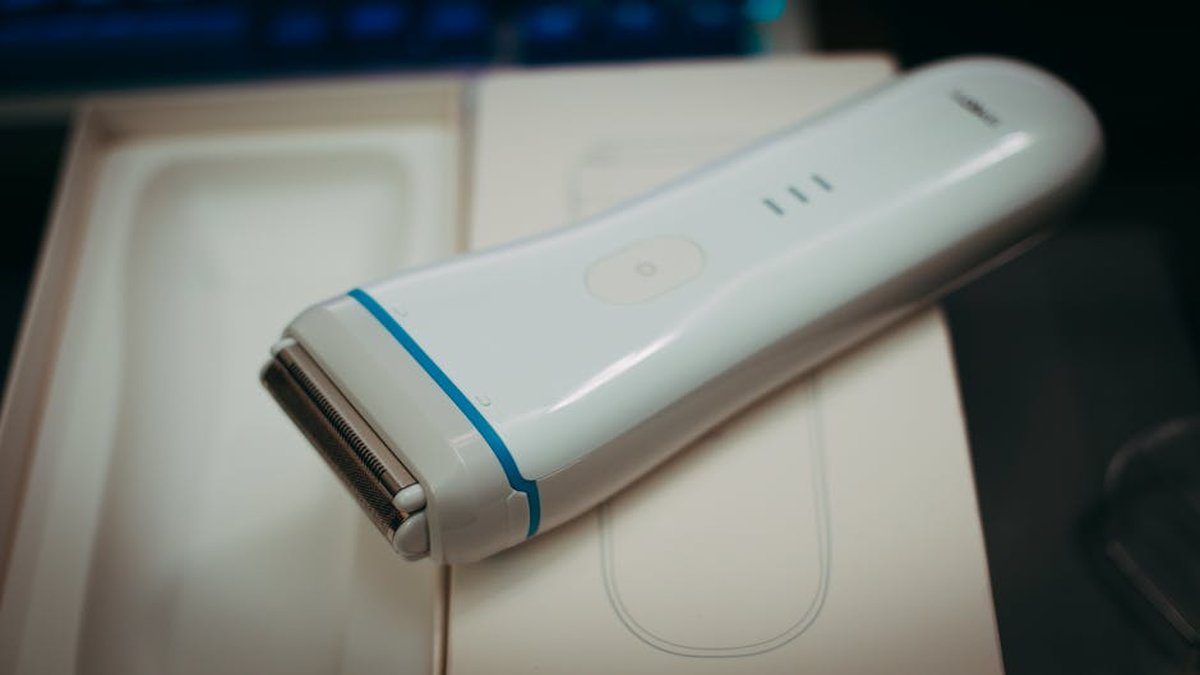
LG Pra.L Intensive Multicare BLP1 — Eye Care Applicator
Price: ₩490,000 ($368 USD) for the complete device Technologies: RF + Microcurrent + Ultrasonic Eye-specific feature: Small, rounded applicator head designed for eye contour, crow's feet, and under-eye area Treatment time: 3 minutes for the eye area
This is the device Korean beauty magazines (Allure Korea, Marie Claire Korea) most frequently recommend for eye care. The LG Pra.L system's dual-head design includes a large face applicator and a small precision applicator specifically sized for the eye area, nasolabial folds, and forehead lines.
What Korean users say:
- "눈가 전용 헤드가 진짜 편해요" (the eye-specific head is really convenient)
- Average rating on GlowPick: 4.3/5 based on 1,247 reviews
- Most-cited improvement: crow's feet softening (67% of reviewers), followed by under-eye firmness (54%)
Dermatologist note: The device automatically reduces RF intensity when the eye applicator is attached, preventing thermal damage to the thin periorbital skin. This safety feature aligns with Korean MFDS standards.
Cellreturn LED Mask — Eye Zone Coverage
Price: ₩1,550,000 ($1,163 USD) for Platinum; ₩380,000 ($285 USD) for standard Technologies: LED (multiple wavelengths including red 633nm and near-infrared 830nm) Eye-specific feature: Dedicated LED zones covering the under-eye and crow's feet area Treatment time: 10-20 minutes
The Cellreturn LED mask covers the entire face including the eye area. The Platinum model positions high-density LED arrays specifically over the periorbital zone. The near-infrared LEDs (830nm) penetrate deeper than visible red, reaching the dermis where collagen synthesis occurs.
Clinical data relevant to eye area:
- Yonsei University Hospital (2023): Near-infrared LED at 830nm improved fine wrinkle depth by 19% over 12 weeks in the periorbital area
- Cellreturn's internal study: 690-LED model showed statistically significant improvement in under-eye skin elasticity after 8 weeks
MDPLANNER MT5 — Dedicated Eye + Face Device
Price: ₩299,000 ($224 USD) Technologies: EMS + RF + LED (4 colors: red, blue, green, yellow) Eye-specific feature: Small treatment head with built-in eye-safe mode Treatment time: 5 minutes for eye area
This Korean-made device from Nutricare is designed for targeted treatment with a massage-tool-integrated head. The device combines four technologies, allowing users to customize treatment based on their dark circle type:
- Red LED + RF mode for collagen stimulation (aging-related dark circles)
- Blue LED + microcurrent mode for circulation (vascular dark circles)
- Green LED mode for brightening (pigmented dark circles)
- EMS massage mode for de-puffing (morning routine)
Korean forum verdict: "올인원 눈가 기기로 가성비 최고" (best value for an all-in-one eye device)
Eye Massager Devices (눈안마기)
A separate category from beauty devices, Korean eye massagers combine heat, vibration, and air pressure for relaxation and circulation improvement:
Top picks from Korean marketplace rankings:
| Device | Price (KRW) | Price (USD) | Key Features |
|---|---|---|---|
| Breo iSee M | ₩159,000 | $119 | Air pressure + heat + vibration, Bluetooth music |
| SKG E3 Pro | ₩129,000 | $97 | Heat compression + massage, foldable design |
| Renpho Eye Massager | ₩89,000 | $67 | Budget pick, heat + vibration |
| Xiaomi Momoda | ₩69,000 | $52 | Entry-level, graphene heating |
Important distinction: Eye massagers primarily address eye fatigue, tension headaches, and puffiness. They do not address dark circles, fine lines, or collagen loss. Korean dermatologists classify them as "relaxation devices" (안마기) not "beauty devices" (미용기기).
Korean Dermatologist Eye Care Device Protocol
Morning Routine (5 minutes)
Goal: De-puff, stimulate circulation, prep for makeup
- Microcurrent/EMS device — 2 minutes on gentle mode
- Start at inner corner of eye, sweep outward to temple
- Light pressure only — the under-eye area has no fat pad buffer
- This drains overnight fluid accumulation and reduces morning puffiness
- Apply eye cream with caffeine — the microcurrent enhances absorption
- Cold compress (optional) — 1 minute with chilled eye patches or spoon
Evening Routine (10 minutes, 3x per week)
Goal: Stimulate collagen, reduce fine lines, treat dark circles
- Cleanse thoroughly — remove all eye makeup and sunscreen
- Apply conductive gel to the eye area (not your regular eye cream — use a water-based gel)
- LED treatment — 10 minutes with mask or handheld device
- Red LED (633nm) for anti-aging
- Near-infrared (830nm) for deep collagen stimulation
- RF treatment (if applicable) — 3 minutes on lowest eye-safe setting
- ONLY on the orbital bone area and crow's feet
- NEVER on the eyelid or directly under the eye where skin is thinnest
- Apply eye serum — peptides or retinol (on non-device nights)
Weekly Special Treatment
Goal: Intensive circulation and depuffing
- Eye massage device — 15 minutes with heat mode
- Sheet eye patches with niacinamide or vitamin C
- Gua sha around orbital bone — jade or stainless steel, always outward direction
Product Pairing: Best Eye Serums to Use with Devices
Device effectiveness depends on the products used alongside them. Korean protocols pair specific ingredients with specific device technologies:
With LED Devices
- Niacinamide (5%): Brightening for pigmented dark circles
- Centella/Madecassoside: Calming, reduces inflammation
- Hyaluronic acid: Hydration boost with enhanced LED penetration
- Popular product: Beauty of Joseon Revive Eye Serum (₩18,000 / $14 USD)
With RF Devices
- Peptide complex: Synergistic collagen stimulation with RF heat
- Adenosine: Korean anti-wrinkle certified ingredient
- Important: Use water-based products only. Oil-based eye creams insulate against RF energy
- Popular product: AHC Ten Revolution Real Eye Cream for Face (₩25,000 / $19 USD)
With Microcurrent/EMS Devices
- Caffeine: Constricts blood vessels, reduces puffiness — enhanced by device circulation boost
- Vitamin K: Addresses vascular discoloration
- Electrolyte-containing gel: Improves current conduction
- Popular product: Innisfree Green Tea Seed Eye & Face Ball (₩16,000 / $12 USD)
For a comprehensive guide to device-product pairing, see our serum pairing guide.
Safety: Eye Area Is Different
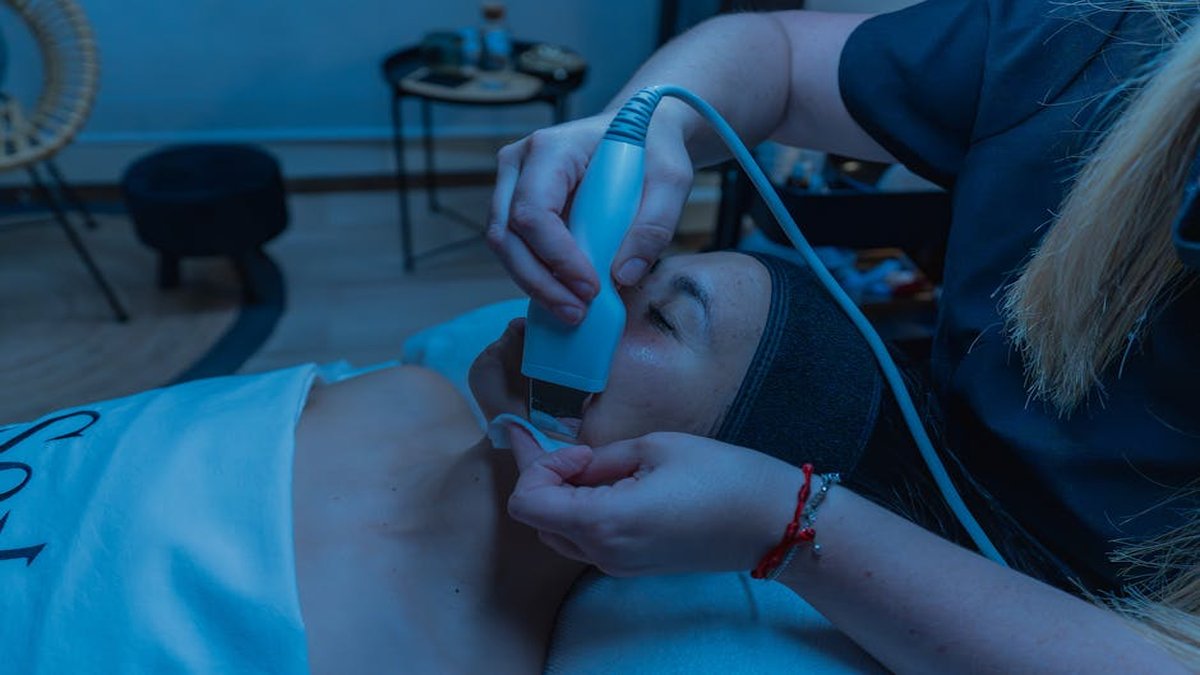
The periorbital area requires extra caution. Korean MFDS and dermatologists emphasize these safety rules:
Absolute Rules for Eye-Area Device Use
- Never use RF directly on the eyelid. The skin is 0.3-0.4mm thick (thinnest on the body). RF heat can cause burns, broken capillaries, or damage to the orbital fat pad
- Stay on the orbital bone. Treat crow's feet (bone-supported skin) and the orbital rim, not the moveable eyelid or the under-eye pocket
- Reduce intensity by 30-50% compared to face settings. If your device has a dedicated "eye mode," always use it
- Maximum treatment frequency: 3x per week for RF, daily for LED, 5x per week for microcurrent
- Stop immediately if you experience eye watering, blurred vision, or pain
- Remove contact lenses before using any LED device near the eyes
Device Features to Look For (Eye Safety)
- Automatic eye-zone detection (premium devices like LG Pra.L sense the treatment head and reduce power)
- Small applicator head (15mm diameter or less for precise orbital-bone treatment)
- Temperature display or limiter (critical for RF devices — periorbital area should not exceed 40°C)
- FDA or MFDS eye-area clearance (look for specific mention of periorbital use in device certifications)
What Devices Cannot Do for Dark Circles
Honest expectations from Korean dermatologists:
Devices CAN:
- Reduce morning puffiness (microcurrent, massage — immediate effect)
- Improve circulation to reduce vascular dark circles (LED, microcurrent — 4-6 weeks)
- Soften fine crow's feet lines (RF, LED — 8-12 weeks)
- Enhance eye product absorption (ultrasonic, microcurrent)
- Provide temporary tightening and lifting of eye-area skin
Devices CANNOT:
- Fill structural hollows (tear trough) — this requires dermal filler (₩300,000-500,000 / $225-375 USD per session)
- Permanently lighten genetic pigmentation — laser treatment is more effective for stubborn melanin
- Replace adequate sleep — the most effective dark circle treatment is consistent 7-8 hours of sleep
- Treat severe under-eye bags caused by fat prolapse — this requires lower blepharoplasty surgery
Korean aesthetic medicine consensus: for mild to moderate dark circles with a circulatory or fine-line component, home devices provide meaningful improvement. For severe structural or deeply pigmented dark circles, clinical intervention is necessary, with devices serving as maintenance between treatments.
Cost Analysis: Device vs. Clinical Treatments
| Treatment | Cost Per Session | Sessions Needed | Total Annual Cost | Effectiveness |
|---|---|---|---|---|
| Home LED device | ₩380,000 one-time ($285) | Daily, 12 months | ₩380,000 ($285) first year | Moderate |
| Home RF + microcurrent | ₩490,000 one-time ($368) | 3x/week, ongoing | ₩490,000 ($368) first year | Moderate-Good |
| Clinical laser (dark circles) | ₩200,000/session ($150) | 4-6 sessions | ₩800,000-1,200,000 ($600-900) | Good |
| Under-eye filler | ₩350,000/session ($263) | 1-2 per year | ₩350,000-700,000 ($263-525) | Good (structural) |
| PRP under-eye injection | ₩400,000/session ($300) | 3 sessions initially | ₩1,200,000 ($900) first year | Good |
| Lower blepharoplasty | ₩3,000,000 one-time ($2,250) | Once | ₩3,000,000 ($2,250) | Excellent (permanent) |
Home devices become cost-effective after 1-2 years compared to regular clinical treatments. However, for severe dark circles, clinical treatment produces faster and more dramatic results.
Frequently Asked Questions
Do Korean eye massagers actually help with dark circles?
Eye massagers (the heated, vibrating devices) help with puffiness and fatigue but have minimal impact on dark circles themselves. The heat and pressure improve lymphatic drainage and blood circulation, which temporarily reduces puffiness-related shadowing. For actual dark circle improvement, you need LED or RF technology targeting collagen production and pigmentation — not just mechanical massage. Korean dermatologists classify massagers as "wellness devices" rather than "treatment devices."
What's the best Korean device for crow's feet specifically?
The LG Pra.L BLP1 (₩490,000 / $368 USD) with its dedicated small applicator head is the most recommended for crow's feet because RF is the most clinically supported technology for fine wrinkle reduction. The RF thermal energy stimulates collagen in the crow's feet area where skin sits on the orbital bone — a safe and effective treatment zone. Korean clinical data shows 23% elasticity improvement with consistent RF use. For a more affordable option, the MDPLANNER MT5 (₩299,000 / $224 USD) combines RF with LED for a multi-technology approach.
Can I use my face device around my eyes, or do I need a separate eye device?
Most multi-function face devices (Medicube, LG Pra.L, VANAV) can be used around the eyes with precautions: reduce intensity to the lowest setting, stay on the orbital bone (not the moveable eyelid), and use short treatment times (2-3 minutes). However, devices with dedicated eye applicators provide safer, more precise treatment. You don't need a separate device, but you do need to adjust your technique and settings.
How long does it take to see improvement in dark circles with home devices?
Puffiness reduction: same day (temporary). Vascular dark circle improvement: 4-6 weeks of consistent use. Fine line/crow's feet improvement: 8-12 weeks. Pigmentation improvement: 8-16 weeks (requires combined device + topical approach). Structural dark circles: minimal device-only improvement at any timeline. Korean beauty forums report that users who stick with eye device routines for 12+ weeks see the most satisfying results, but the majority of quitters abandon the routine within the first 3 weeks.
Are LED eye masks safe for long-term daily use?
Yes — LED is the safest eye-area technology for daily use. Red and near-infrared LED do not emit UV radiation and operate at energy levels well below the threshold for tissue damage. Korean MFDS classifies LED masks as low-risk devices, and clinical studies show no adverse effects from daily LED use over 12+ months. The only precaution: if your LED mask includes blue light (415nm), limit direct eye-area exposure to 3-4 times per week, as high-energy visible blue light can cause eye fatigue with overuse. Always close your eyes during LED treatment, even if the device includes eye shields.
Related Reading
- LG Pra.L vs. Cellreturn vs. AMIRO: Korea's Premium LED Mask Showdown
- Anti-Aging Devices in Korea: What Korean Women Over 40 Actually Use
- How to Build a Korean Home Device Routine: Dermatologist-Approved Protocols
— The Device Lab Team